Structure is care
A well-organized Figma file, a clear handoff doc, an IA that doesn't make users think: these are acts of respect for the people you work with and the people who use what you build.
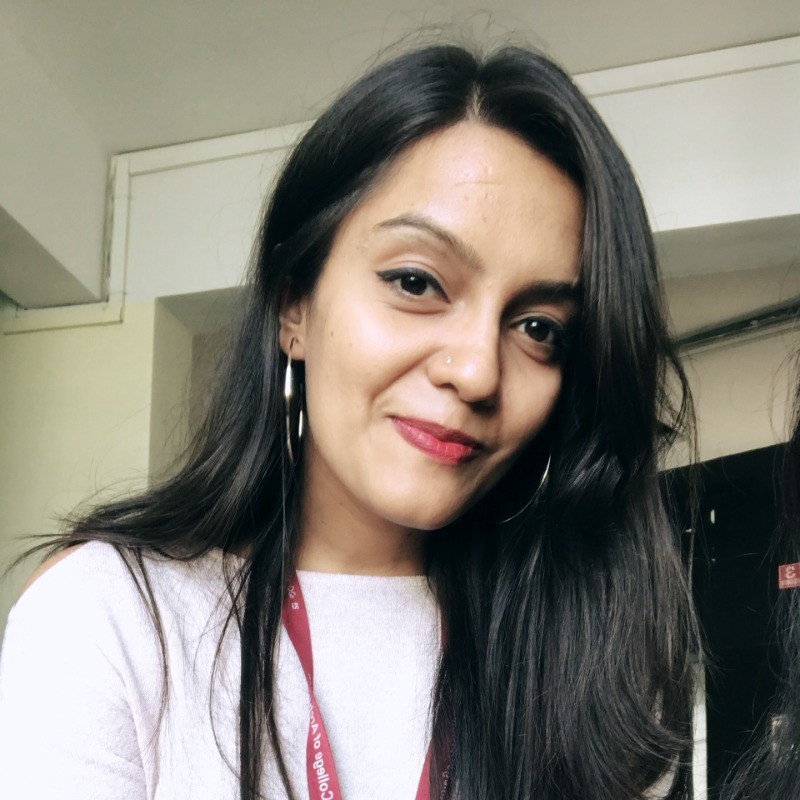
About
Senior UX Designer · Enterprise SaaS · Fintech · Bangalore, India
I'm a senior UX designer who came to software through two unusual doors: architecture and teaching. A decade in the design industry. Now I design for expert users: compliance analysts, brokers, ops teams: people who know their domain better than I ever will, and need software that keeps up.
Design practice since 2015. Enterprise product design since 2023: fintech audit platforms, broker portals, banking automation, school management systems, and a phonics app I built for Indian parents because I noticed a gap and couldn't stop thinking about it.
I structure everything: my calendar, my kitchen, my Figma files. Outside work I travel when I can, cook seriously, practice yoga, and spend a lot of time thinking about how technology lands differently for a 5-year-old versus a 65-year-old. That question keeps me honest as a designer.
I use AI-assisted tools like Cursor and Claude Code as part of my design and prototyping process.
Trained as an architect at UVCE Bangalore. Learned to think in systems, structures, and the gap between what looks good and what holds up.
Led a department of 400+ students. Taught digital and physical interior design practice. Organized industry events, curated annual exhibitions.
Independent work across interiors, brand identity, and my first digital product projects. This is where I moved from designing spaces to designing software, and found out the underlying problem was the same one.
Enterprise product design roles. Shipped a multi-school management redesign serving 7,300+ students and a product-led growth platform.
Designing internal tools and enterprise platforms for US fintech clients. Loan audit systems, broker portals, banking automation, VR training interfaces. Embedded designer on cross-functional teams with product managers, engineers, QA, and business analysts.
A well-organized Figma file, a clear handoff doc, an IA that doesn't make users think: these are acts of respect for the people you work with and the people who use what you build.
The interesting design problem is never the blank canvas. It's the legacy API, the compliance rule, the ops workflow that can't change. I design for the system that exists, not the ideal one.
I built SoundSteps for Indian parents teaching 3-year-olds to read. I design enterprise tools used by people who learned on paper. The best interfaces work across the full range of human experience with technology.