The Design of Everyday Things
Made me realise I'd been doing UX as an architect for years without knowing it.
Learnings
Side projects, book notes, and what keeps me curious.
Phonics learning app for Indian parents
Most phonics apps are built for Western curricula. Indian parents teaching young children to read English were working without a structured system that matched how they speak and what their children already know.
I designed and built SoundSteps from scratch: 44 phonics sounds, 2,000+ flashcards, 9 interactive games, and a decodable book library. Self-initiated, self-funded, shipped on Vercel.
It's the project that taught me the most about consumer product design, game mechanics, and what it actually means to be your own PM.
A Claude Code operating system for diagnosing and rebuilding websites
Websites are now read by two audiences: people, and the AI agents that browse and transact on their behalf. Most small-business sites are invisible to the second one. Lumos OS is my attempt to make diagnosing that gap repeatable.
Eleven skills, four subagents, and four scripts carry a business from prospect through scan, pitch, audit, redesign, and delivered case study — with every finding backed by an automated scan and every outward-facing send gated behind me.
Personal system, in daily use since late June 2026. Repo private.
Designers who understand code build better products.
I use GitHub for SoundSteps and personal experiments. Not an engineer, but comfortable enough to read code, understand constraints, and have honest conversations with developers about what's actually feasible.
Understanding how something is built changes how you design it.
github.com/monsisodia ↗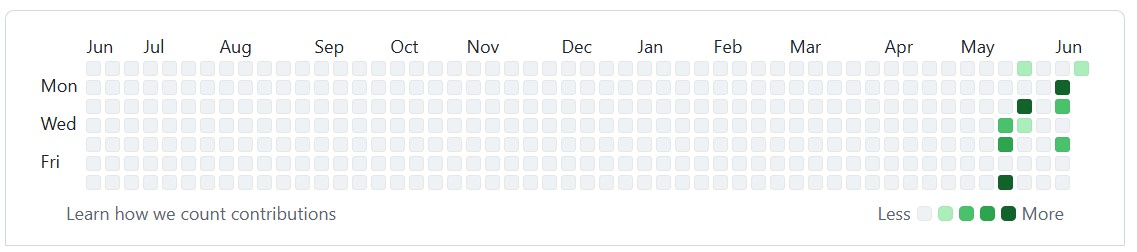
Books I return to, and one I'm thinking about right now.
Made me realise I'd been doing UX as an architect for years without knowing it.
Every enterprise dashboard should be audited against this before shipping.
Architecture school compressed into 240 pages. I think in stocks and flows now.
I reference this more than any design tool. Type is not decoration.
Wish I had read this at the start of my career. Explains APIs, databases, system design without assuming you're an engineer. Changed how I talk to developers.
When I started my career in tech, I knew the buzzwords. APIs. Cloud. Backend. Frontend. They were part of everyday conversations: in meetings, on slides, in interviews. But if I'm honest, there were moments I paused and thought: do I truly get what's going on behind the scenes? Not just surface level, but at the level where I could explain it to someone with zero tech background?
I picked up Tech Simplified by Deepak Singh, and I wish I had read it years ago. It doesn't assume you're an engineer. It doesn't throw equations or code at you. It simply explains: the kind of explanation that stays with you.
Data is the new oil
The raw material of the modern economy, valuable only when refined and used.
Computers don't speak English
They only understand binary. Everything we see on screen is a translation of 1s and 0s.
The Internet as a highway
The magical infrastructure that lets all our devices talk to each other instantly, regardless of location.
Static vs Dynamic websites
Static = printed menu. Dynamic = a chef cooking your order fresh. Most products we design are dynamic.
Databases as filing cabinets
Organized digital storage. Understanding this changes how you design search, filters, and data tables.
APIs as restaurant waiters
You don't go into the kitchen yourself. The API takes your request and brings back what you need. Every product I design uses dozens of these.
Why mobile apps exist
Push notifications, offline usage, performance. Not just preference: specific technical advantages.
DevOps as a kitchen team
Dev and Ops working together to ship fast, consistently, and reliably. Good design needs good DevOps.
CI/CD as an assembly line
Automated pipeline for testing and deploying code. Knowing this helps me understand release cycles and what's actually feasible in a sprint.
System Design (the favourite)
Smart planning before building. A well-designed system keeps apps fast and stable under load, exactly like a well-planned city. This is where architecture and software finally made sense to me together.
You don't need to write code to understand tech. But understanding tech helps you design better flows, have more honest conversations with engineers, and build stronger products.